Why Freebies Aren't Working
“ Information is accessible everywhere... What you want to provide is something they can take action on immediately.” – Valerie Feghali
If you’ve been pouring your heart into creating free PDFs, lead magnets, and trainings—only to feel frustrated when people don’t upgrade, buy, or stick around—this episode is for you. In this solo episode of Fuel the Flow (listen here), I’m breaking down one of the biggest mistakes I see online coaches making when it comes to selling their offers… and what to do instead if you actually want buyers, not just browsers.
We’re talking about why free content often attracts the wrong people, how it conditions your audience to never invest, and the simple shift that can completely change the quality of clients coming into your world. If you’ve ever wondered why your freebie list is growing but your income isn’t, this conversation will probably hit a little close to home—in the best way.
At its core, this episode is about value exchange. When there’s no investment, financial or otherwise, there’s usually no commitment. And without commitment, people don’t take action. I walk you through why moving away from “free everything” and toward a small, intentional paid offer can completely transform your business.
“When someone pays, even a small amount, their mindset shifts from consuming to committing.”
Why Freebies Aren’t Creating Buyers
Here’s the hard truth: free content doesn’t automatically lead to paid clients. In fact, most of the time, it does the opposite. When everything you offer is free, you train your audience to expect more free. That means when you finally present a paid program, course, or coaching offer, there’s friction, and not the good kind.
In this episode, I explain how free offers often attract people who are just collecting information. They’re downloading PDFs, signing up for challenges, and watching trainings… but they’re not actually implementing anything. They’re not bad people, they’re just not buyers.
And when your audience is filled with non-buyers, it becomes harder to sell. You start questioning your offer, your messaging, and sometimes even yourself. But the problem isn’t your expertise. It’s the strategy.
The Power of a Low-Ticket Offer
Instead of relying on freebies, I encourage coaches to experiment with a low-ticket paid offer, something in the $27–$47 range. This isn’t about making a ton of money upfront. It’s about qualifying your audience.
A low-ticket offer creates a simple but powerful filter. The people who buy are telling you, “I’m willing to invest. I’m serious about solving this problem.” And those people are far more likely to upgrade later.
I also talk about how paid offers, even inexpensive ones, instantly increase perceived value. The same content that gets ignored when it’s free suddenly gets completed when someone pays for it. That’s human psychology, not a coincidence.
Why Action Beats Information Every Time
Another big theme in this episode is the difference between information and implementation. Information is everywhere. Your audience can Google almost anything. What they actually need is help taking action.
That’s why I recommend creating low-ticket offers that focus on doing, not just learning. Think templates, checklists, meal plans, scripts, frameworks—anything that helps someone move forward quickly.
When your offer gives someone a win, even a small one, trust skyrockets. And trust is what leads to long-term clients and higher-level investments.
Stop Giving Away the Outcome for Free
One of the biggest mindset shifts I talk about is this: it’s okay to stop giving away the entire solution for free. You can still provide value, teach, and support your audience—but you don’t need to hand them the full roadmap without asking for any buy-in.
When you create a paid entry point, you’re not being “salesy.” You’re setting a boundary that protects your energy, your time, and the sustainability of your business.
5 Key Takeaways from This Episode
Free content attracts consumers, not buyers
Growth doesn’t mean much if the people joining your list never invest.A low-ticket offer filters your audience in the best way
Even a small purchase signals commitment and readiness.People value what they pay for
Paid offers lead to higher completion, better results, and stronger trust.Action-based deliverables outperform information
Templates, plans, and frameworks create momentum.Selling is not unethical, it’s necessary
You can serve deeply and charge for your expertise.
How I’d Implement This in an Online Coaching Business
If I were building (or rebuilding) an online coaching business today, this is exactly how I’d apply what we talked about in this episode.
First, I’d identify one clear problem my audience is actively struggling with—and create a small, paid solution around it. Not a massive course. Not a full transformation. Just one focused outcome.
Next, I’d position that offer as the next logical step instead of a freebie. This aligns perfectly with my coaching philosophy: clarity, simplicity, and momentum over complexity. When people experience a quick win, they naturally want more support.
I’d also make sure the offer reflects how I actually coach—practical, supportive, and action-oriented. That’s why I love tools like templates, plans, and guided resources. They reduce overwhelm and help clients move forward faster.
Finally, I’d use that low-ticket offer as the foundation of my funnel. From there, upselling into higher-level coaching, programs, or memberships becomes easier because the trust is already built. This approach creates alignment, sustainability, and flow—exactly what I want for both my clients and myself.
Ready to Rethink Free?
If this episode made you rethink how you’re using free content in your business, that’s a good thing. Awareness is always the first step. I’d love for you to reflect on what you’re currently giving away and whether it’s actually helping your business grow.
Listen to the full episode, take one small action this week, and start experimenting with a paid entry point. You might be surprised how quickly things shift.
And as always, thank you for being here and fueling the flow with me 💛
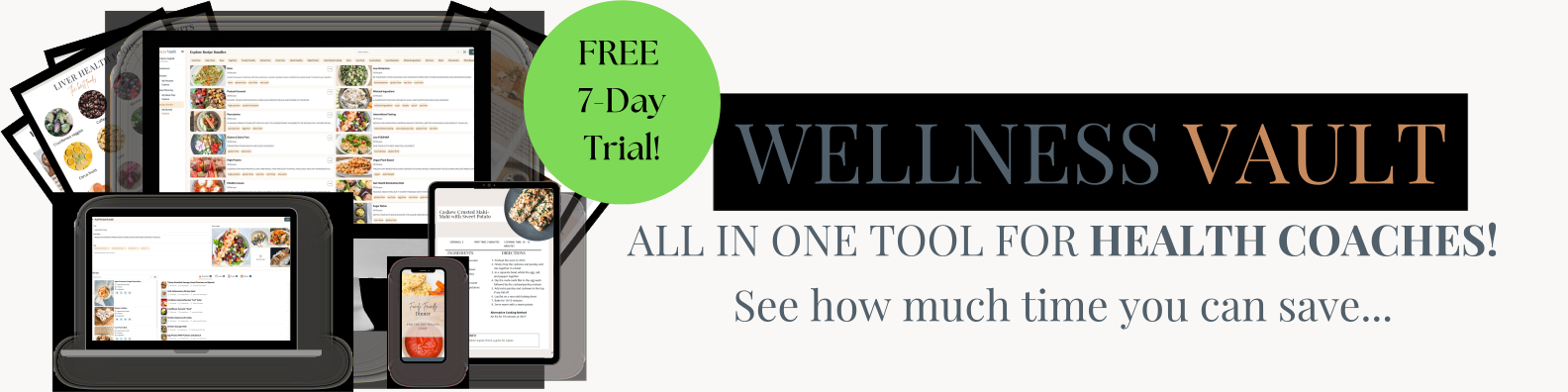
If you are a health or wellness coach you can save yourself hours each week and make more money using the Wellness Vault content. No more staring at a blank screen wondering where to start. Create challenges, meal plans, e-book, and so much more in minutes. https://wellnessvault.com/